

Introduction
Artificial intelligence and automation are becoming important components of enterprise digital transformation. In 2026, businesses are moving beyond experimenting with standalone AI tools and exploring how AI can work alongside their applications, data, cloud platforms, and business workflows.
The goal is not simply to adopt new technology. Enterprises are looking for practical ways to improve operations, reduce repetitive work, connect systems, and make better use of business data.
What Is Driving Enterprise Investment in AI and Automation?
Modern enterprises often operate across multiple applications, databases, cloud platforms, and business processes. This can create challenges such as manual workflows, disconnected systems, large volumes of data, and slow decision-making.
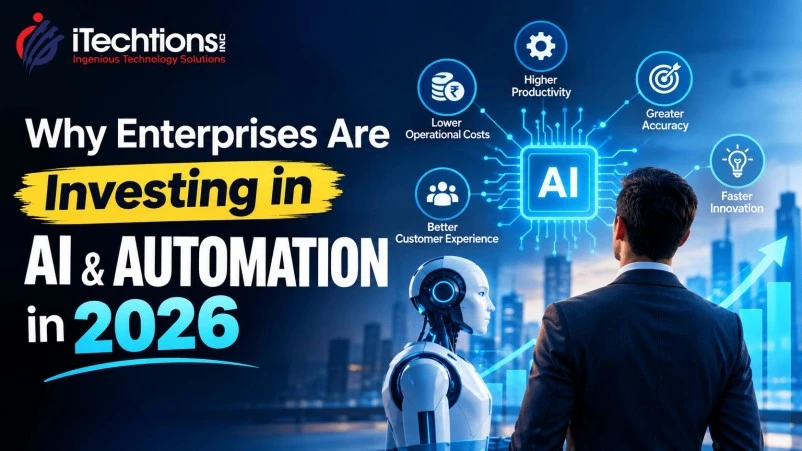
AI and automation can help address these challenges through:
- Process automation
- Intelligent data analysis
- Application modernization
- Data integration
- Improved customer experiences
- Faster software development
- Cloud modernization
- Intelligent decision support
1. Automating Repetitive Business Processes
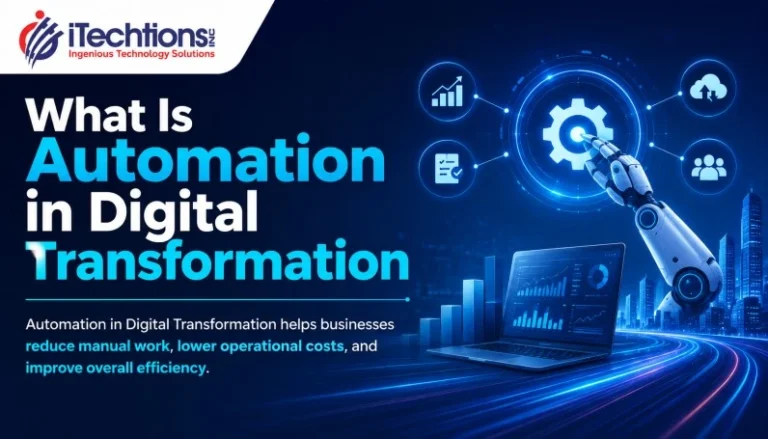
Many enterprise processes involve repetitive activities such as updating records, processing documents, generating reports, or transferring information between systems.
Automation can reduce manual effort and allow employees to focus on activities that require analysis, problem-solving, and decision-making.
AI can further enhance these workflows by helping systems understand documents, customer requests, and other business information before triggering an appropriate action.
2. AI Is Becoming Part of Business Applications
AI is increasingly being integrated into existing business workflows rather than used only as a standalone application.
Enterprises can use AI to support customer service, sales, data analysis, document processing, software development, reporting, and internal support.
The focus is on identifying where AI can provide useful intelligence within an existing process.
3. Making Better Use of Enterprise Data
Enterprises generate data across applications, websites, databases, and operational systems. However, data becomes valuable only when it is accessible, connected, reliable, and properly analyzed.
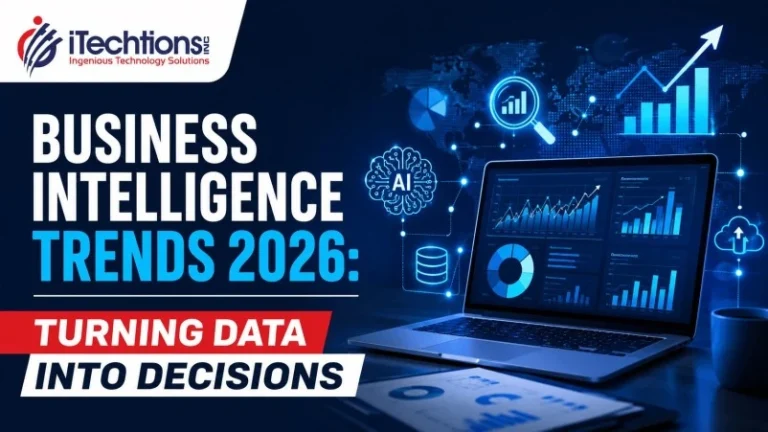
Combining data integration, business intelligence, and AI can help organizations gain better insights and support faster, more informed decisions.
4. Modernizing Applications and Technology
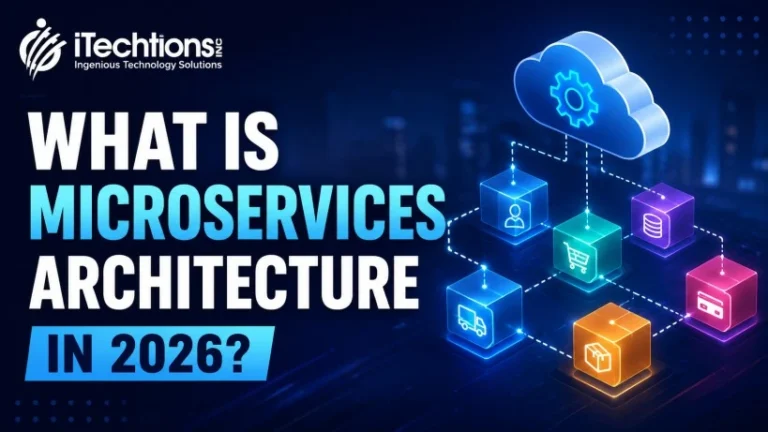
Many organizations continue to rely on legacy applications that support critical business operations. Integration, APIs, cloud technologies, and automation can help connect these systems with modern digital platforms.
A connected architecture can bring together:
Legacy Applications → APIs → Cloud & Data Platforms → Automation → AI & Analytics
This allows enterprises to modernize gradually without replacing every existing system at once.
5. AI and Automation in Software Development
AI is also changing how software teams develop and maintain applications. AI-assisted tools can support coding, testing, documentation, debugging, and development workflows.
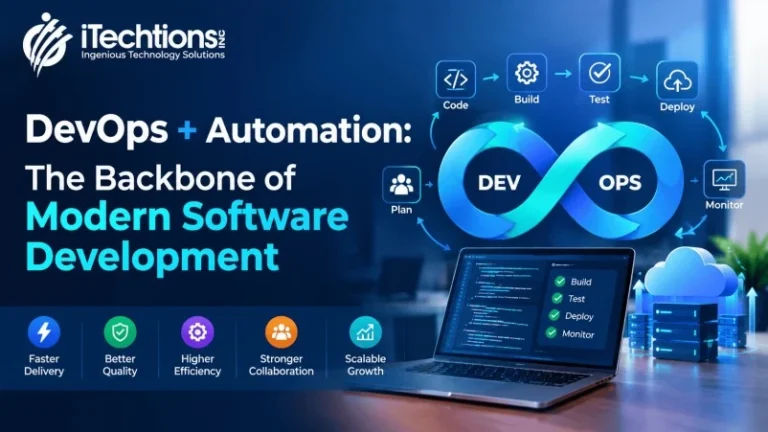
When combined with Agile and DevOps practices, automation can help streamline testing, deployment, infrastructure management, and application delivery.
Human expertise remains essential for architecture, security, testing, and quality control.
6. Cloud as a Foundation for AI and Automation
Cloud platforms provide the infrastructure and scalability required for many AI, data, and automation initiatives.
However, cloud adoption alone does not create digital transformation. Enterprises need to consider how cloud, applications, data, integration, automation, and AI can work together as part of a broader technology strategy.
How Should Enterprises Start?
Organizations do not need to automate everything at once. A practical approach is to:
-
Assess existing applications, data, and workflows.
-
Identify processes where AI or automation can create measurable value.
-
Define the required technology architecture.
-
Start with a focused use case.
-
Measure the results.
- Expand successful initiatives across other business processes.
Conclusion
AI and automation are becoming important elements of enterprise digital transformation in 2026. Their value goes beyond adopting new technology—they can help organizations streamline workflows, connect systems, improve data usage, and support employees.
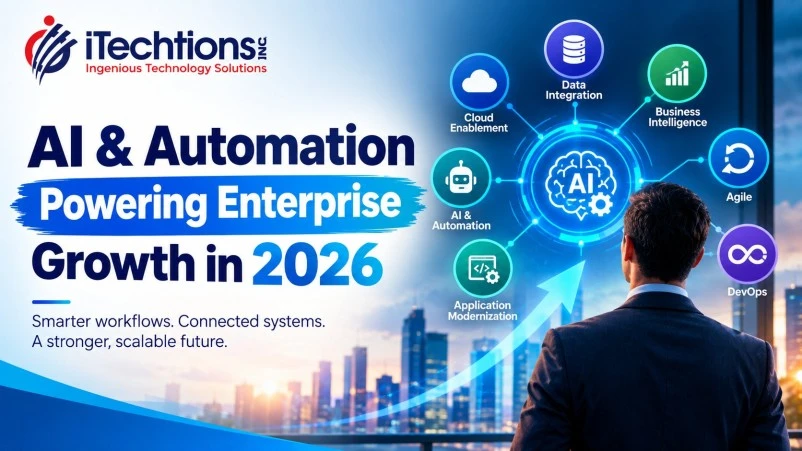
When combined with cloud enablement, data integration, business intelligence, Agile, DevOps, and application modernization, AI and automation can become part of a connected and scalable enterprise technology environment.
For enterprises, the right starting point is not simply asking, “Where can we use AI?”
It is asking:
“Which business process can we improve, and how can technology help us improve it?”